Z
Zeshan
Guest
- Thread Author
- #1
On-page search engine optimization (SEO) is a crucial component of any successful digital marketing strategy. It involves optimizing individual web pages to rank higher in search engine results pages (SERPs) and attract more relevant organic traffic. By focusing on elements within your control, such as content quality, HTML tags, and site architecture, you can significantly improve your website’s visibility and user experience.
Content is king in the world of SEO. Search engines prioritize websites that provide valuable, informative, and engaging content to users. When creating content, focus on:

Remember, on-page SEO optimization goes beyond just text. Include relevant images, videos, and infographics to enhance user engagement and provide a comprehensive resource for your audience.
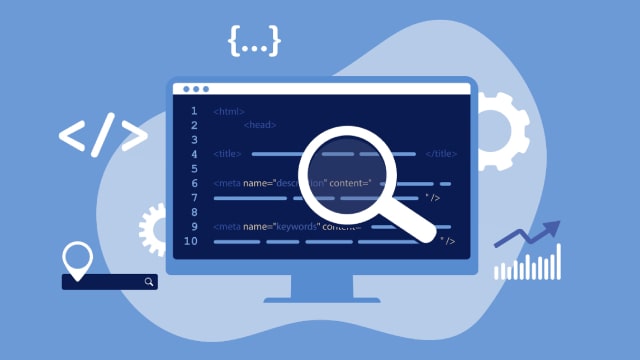
Title tags and meta descriptions are critical HTML elements that appear in search results. They serve as a preview of your page’s content and can significantly impact click-through rates. To optimize these elements:
A well-structured URL can improve both user experience and search engine crawling. Consider these best practices:
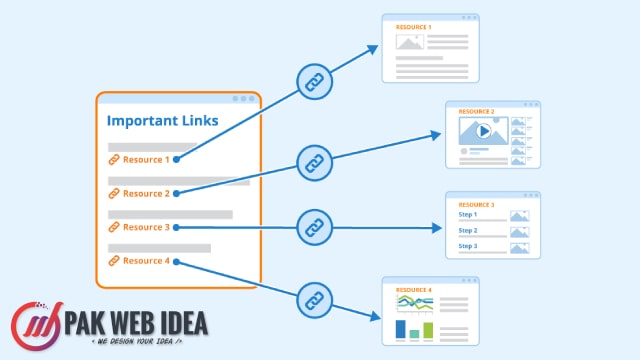
Internal linking is another crucial aspect of on-page optimization. It helps distribute link equity throughout your site and guides users to related content. Implement a strategic internal linking structure to:
Proper use of heading tags (H1, H2, H3, etc.) helps search engines understand your content’s hierarchy and main topics. Follow these guidelines:
Images play a significant role in on-page SEO and user experience. Optimize your images by:
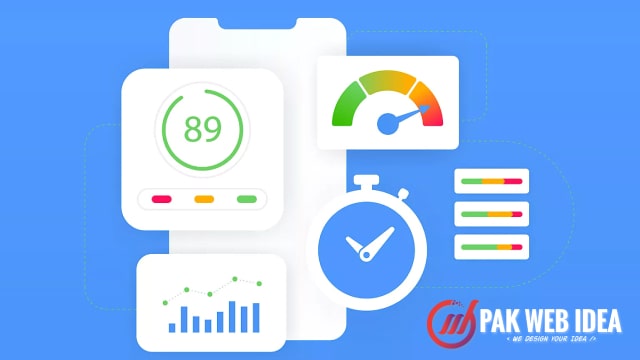
With mobile-first indexing, ensuring your website is mobile-friendly is no longer optional. Focus on:
Page speed is another critical factor in both user experience and search rankings. Improve your site’s loading times by:
Implementing schema markup helps search engines better understand your content and can lead to rich snippets in search results. Consider adding structured data for:

Effective keyword research remains a cornerstone of successful on-page SEO. Use tools like Google Keyword Planner, SEMrush, or Ahrefs to:
When implementing keywords, focus on:
Search engines increasingly consider user experience signals when ranking pages. Pay attention to metrics such as:
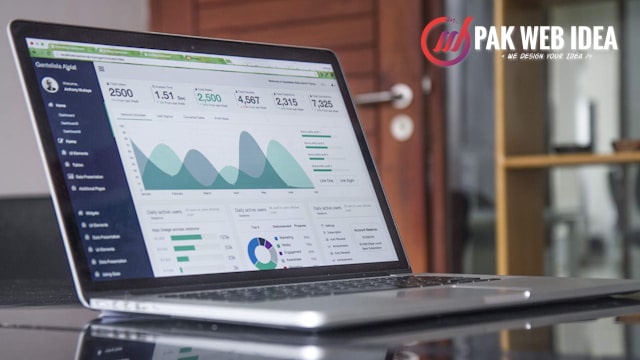
Improve these metrics by creating engaging, valuable content and optimizing your site’s usability.
To ensure your on-page SEO efforts are effective, regularly monitor and analyze your performance using tools like Google Analytics and Google Search Console. Track key metrics such as:

Use this data to identify areas for improvement and adjust your strategy accordingly.
On-page SEO optimization is not a one-time task but an ongoing process of refinement and improvement. By focusing on these key elements and staying up-to-date with search engine algorithms and best practices, you can continually enhance your website’s visibility, attract more qualified traffic, and achieve your digital marketing goals.
Remember, while on-page SEO is crucial, it’s just one piece of the puzzle. Combine these efforts with off-page SEO strategies and technical optimizations to create a comprehensive, successful SEO campaign that drives long-term results for your business.
The post On-Page SEO Optimization: Boosting Your Website’s Visibility appeared first on Pak Web Idea - Web Designing Company.
Table of Contents
Key Elements of Effective On-Page SEO
High-Quality, Relevant Content
Content is king in the world of SEO. Search engines prioritize websites that provide valuable, informative, and engaging content to users. When creating content, focus on:
- Addressing user intent
- Incorporating target keywords naturally
- Using clear, concise language
- Providing unique insights and perspectives
Remember, on-page SEO optimization goes beyond just text. Include relevant images, videos, and infographics to enhance user engagement and provide a comprehensive resource for your audience.
Optimized Title Tags and Meta Descriptions
Title tags and meta descriptions are critical HTML elements that appear in search results. They serve as a preview of your page’s content and can significantly impact click-through rates. To optimize these elements:
- Include your primary keyword in the title tag
- Keep title tags under 60 characters
- Write compelling meta descriptions within 155-160 characters
- Use action-oriented language to encourage clicks
URL Structure and Internal Linking
A well-structured URL can improve both user experience and search engine crawling. Consider these best practices:
- Use short, descriptive URLs
- Include target keywords when relevant
- Implement a logical hierarchy for your site structure
Internal linking is another crucial aspect of on-page optimization. It helps distribute link equity throughout your site and guides users to related content. Implement a strategic internal linking structure to:
- Improve site navigation
- Reduce bounce rates
- Increase page views and time on site
Heading Tags and Content Structure
Proper use of heading tags (H1, H2, H3, etc.) helps search engines understand your content’s hierarchy and main topics. Follow these guidelines:
- Use only one H1 tag per page, typically for the main title
- Include target keywords in headings when appropriate
- Structure content logically with subheadings (H2, H3, etc.)
- Break up text with bullet points and short paragraphs for improved readability
Image Optimization for SEO
Images play a significant role in on-page SEO and user experience. Optimize your images by:
- Using descriptive, keyword-rich file names
- Adding alt text to provide context for search engines and accessibility
- Compressing images to improve page load speed
- Implementing responsive images for mobile devices
Mobile Optimization and Page Speed
With mobile-first indexing, ensuring your website is mobile-friendly is no longer optional. Focus on:
- Responsive design that adapts to different screen sizes
- Touch-friendly navigation and buttons
- Legible text without zooming
Page speed is another critical factor in both user experience and search rankings. Improve your site’s loading times by:
- Minimizing HTTP requests
- Enabling browser caching
- Optimizing code and removing unnecessary scripts
- Using a content delivery network (CDN)
Schema Markup and Structured Data
Implementing schema markup helps search engines better understand your content and can lead to rich snippets in search results. Consider adding structured data for:
- Local business information
- Product details and reviews
- Events and calendar listings
- Recipes and how-to guides
Keyword Research and Implementation
Effective keyword research remains a cornerstone of successful on-page SEO. Use tools like Google Keyword Planner, SEMrush, or Ahrefs to:
- Identify high-volume, low-competition keywords
- Understand user intent behind search queries
- Discover long-tail keywords for niche topics
When implementing keywords, focus on:
- Natural integration within content
- Using variations and synonyms
- Avoiding keyword stuffing, which can lead to penalties
User Experience and Engagement Metrics
Search engines increasingly consider user experience signals when ranking pages. Pay attention to metrics such as:
- Bounce rate
- Time on page
- Pages per session
- Social shares and comments
Improve these metrics by creating engaging, valuable content and optimizing your site’s usability.
Measuring and Analyzing On-Page SEO Success
To ensure your on-page SEO efforts are effective, regularly monitor and analyze your performance using tools like Google Analytics and Google Search Console. Track key metrics such as:
- Organic traffic growth
- Keyword rankings
- Click-through rates
- Conversion rates
Use this data to identify areas for improvement and adjust your strategy accordingly.
Conclusion: The Ongoing Process of On-Page SEO
On-page SEO optimization is not a one-time task but an ongoing process of refinement and improvement. By focusing on these key elements and staying up-to-date with search engine algorithms and best practices, you can continually enhance your website’s visibility, attract more qualified traffic, and achieve your digital marketing goals.
Remember, while on-page SEO is crucial, it’s just one piece of the puzzle. Combine these efforts with off-page SEO strategies and technical optimizations to create a comprehensive, successful SEO campaign that drives long-term results for your business.
The post On-Page SEO Optimization: Boosting Your Website’s Visibility appeared first on Pak Web Idea - Web Designing Company.